INVESTMENTPricing varies by area and complexity
$600
Starting pricesingle session
Full consultation and skin tone assessment included
$50 deposit secures your appointment
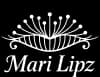
Close-up results from the studio.
Everything you need to know before booking, at a glance.
Session length depends on the size and complexity of the treatment area.
Paramedical work on scar tissue heals differently than cosmetic PMU.
Results vary significantly by scar type, age, and skin characteristics.
Scar tissue sensitivity varies widely. Numbing cream is applied throughout.
Scar Camouflage is a paramedical tattooing technique that deposits skin-toned pigments into scarred or discolored skin to reduce the visual contrast between the scar and surrounding tissue. It works best on mature, fully healed scars that have faded to white or pink.
This service requires an in-person consultation before booking. Results depend on scar age, skin tone, skin texture, and healing behavior, and are always approached with honesty about what is realistically achievable.
The treatment area must be fully healed—scars should be at least 12 months old and stable before we work on them.
Wear loose, comfortable clothing that provides easy access to the treatment area. Bring any relevant medical records if available.
Scar tissue heals unpredictably. Follow aftercare instructions carefully and allow full healing before assessing results.
Small choices upstream prevent surprises on procedure day— especially around prior pigment, stimulants, and comfort planning.
Fresh or still-active scars cannot be treated. The scar tissue must be fully healed, stable and white or silver in color—not pink, red or raised. Attempting to tattoo immature scar tissue risks unpredictable results and potential complications.
Smooth, flat, light-colored scars respond best to camouflage. Textured, raised (hypertrophic) or keloidal scars are more difficult to treat and may require more sessions with less complete concealment.
Scar tissue absorbs and retains pigment differently from normal skin. Most clients need 2–3 sessions spaced 8–12 weeks apart to reach the best achievable result.
We approach paramedical work with deep care and full transparency. A consultation is not optional—it is how we make sure we can actually help you.
Side-by-side framing keeps expectations clear: who this tends to serve well, and when we pause or decline. Honest screening, not scare tactics.
Scar camouflage is some of the most meaningful work we do. Book a consultation first—we will be honest with you about what is possible.